


Electromagnetic pulses
PEMF uses gentle electromagnetic pulses designed to interact with the body's natural electrical processes.
 FDA-Recognized Technology
30+ Peer-Reviewed Studies
Vet-Approved
Drug-Free & Gentle
PEMF uses gentle electromagnetic pulses designed to interact with the body's natural electrical processes.
PEMF may support healthy cellular activity and the body's natural recovery processes.
PEMF is commonly used to support healthy circulation and oxygen delivery throughout the body.
Many users use PEMF as part of their daily routine to support relaxation, recovery, and overall well-being.
01

Every cell in your pet's body carries an electrical charge. Healthy cells maintain a strong voltage (around -20 to -25 millivolts), which allows them to absorb nutrients, expel waste, and communicate with neighboring cells.
When cells are damaged by injury, inflammation, or aging, that voltage drops. The cells slow down. Healing stalls. Pain sets in.

PEMF therapy works by sending gentle electromagnetic pulses through your pet's tissue. These pulses pass through skin, fur, muscle, and bone, reaching deep into the body at the cellular level. When the electromagnetic field reaches a weakened cell, it helps restore its natural voltage, essentially recharging it like a battery.
Once cell voltage is restored, a cascade of benefits follows:

as red blood cells separate and move more freely through capillaries.

as cells resume their normal anti-inflammatory response.

as the cells have the energy they need to rebuild.

not because symptoms are being masked, but because the underlying damage is being addressed.
02
One of the most visible effects of PEMF therapy happens in the bloodstream:
before PEMF
Red blood cells tend to cluster together in stacks (a formation called rouleaux). Clustered cells have less surface area, which means they carry less oxygen and fewer nutrients to the tissue that needs them most.
after PEMF
The electromagnetic pulses de-cluster the red blood cells, allowing them to flow freely. Each individual cell can now absorb and deliver oxygen at full capacity. The result is better circulation, faster nutrient delivery, and more efficient waste removal-all of which support healing and reduce pain.
03

Unlike surface-level treatments that affect only the skin or top layer of muscle, PEMF electromagnetic fields penetrate deep into the body. They reach joints, bones, organs, and the nervous system.
This is why PEMF is effective for conditions beneath the surface, like arthritis deep in a hip joint, inflammation around the spinal cord, or tissue damage buried under layers of muscle after surgery.
Our devices use clinically and scientifically validated frequencies, optimized for tissue penetration based on over 30 peer-reviewed studies. For the full technical details, see the Research Library at the bottom of this page.

Key benefits
Pet parents report meaningful changes within the first few weeks of consistent PEMF use. Here's what the science supports and our community confirms:
PEMF reduces pain at its source by targeting inflammation at the cellular level. Instead of masking symptoms with medication, it helps the body restore its own anti-inflammatory response.
Pet parents consistently report that their dogs and cats move more easily, get up from rest faster, and show less hesitation on stairs or during walks. If your pet suffers from chronic conditions like arthritis or hip dysplasia, daily PEMF therapy can mean the difference between a difficult day and a good one.
After surgery, injury, or illness, your pet's body needs energy to repair damaged tissue. PEMF therapy boosts blood circulation and stimulates cellular regeneration, providing the resources it needs to heal faster.
Veterinary studies have documented up to 58% faster wound healing with PEMF. Whether your pet is recovering from a TPLO, a dental surgery, or a soft-tissue injury, PEMF helps them get back on their paws sooner.
PEMF therapy doesn't just work on the body; it calms the mind. Specific low frequencies activate the vagus nerve, which triggers the parasympathetic nervous system (your pet's natural "rest and digest" mode).
This releases calming neurotransmitters and lowers cortisol levels. For pets who struggle with thunderstorm anxiety, separation stress, vet visit nerves, or general restlessness, PEMF offers relief without sedation or medication.
Stiffness and reduced range of motion are often caused by swelling in and around the joints. PEMF reduces this swelling by restoring normal fluid balance at the tissue level. Pets who have been slowing down (struggling to jump on the couch, lagging on walks, or favoring a leg) often show visible improvement. The spring in their step returns.
For senior pets and those managing chronic conditions, PEMF therapy isn't about a cure; it's about more good days. More energy. More comfort. More time enjoying the things they love.
Pet parents describe it as watching their dog "act like a puppy again" or seeing their cat "finally relax." That's what PEMF does: it supports the body's natural processes so your pet can live their best life, whatever their age or condition.
At the most fundamental level, PEMF restores optimal cell voltage. Healthy cells mean a healthy body – better immune function, stronger anti-inflammatory response, more efficient nutrient absorption, and faster waste removal. Think of it as a daily tune-up for every cell in your pet's body.
Which Is Right for Your Pet?
If your pet is dealing with pain, inflammation or slow recovery, you've probably come across several treatment options. Here's how they compare and why thousands of pet parents choose PEMF for daily at-home use.
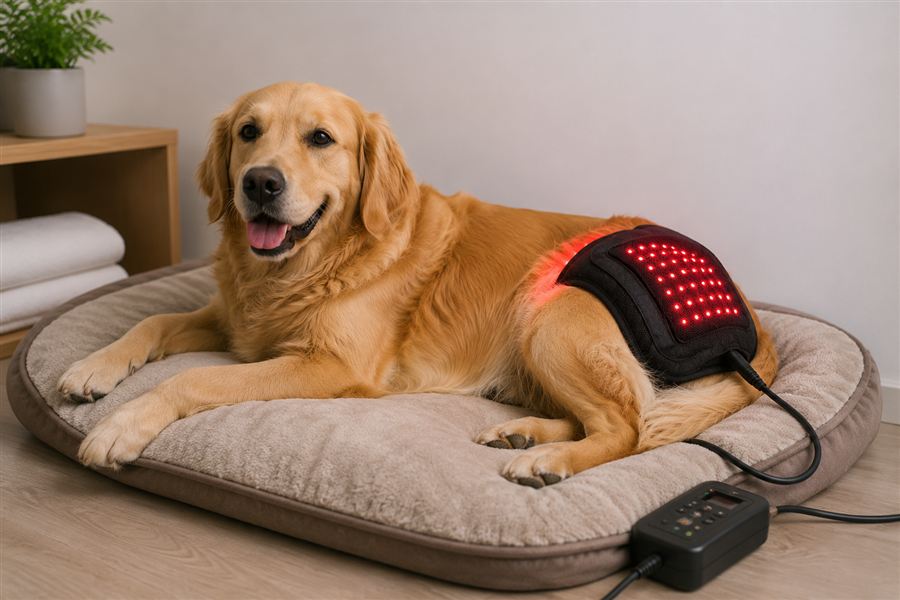
 Red Light (PBM)
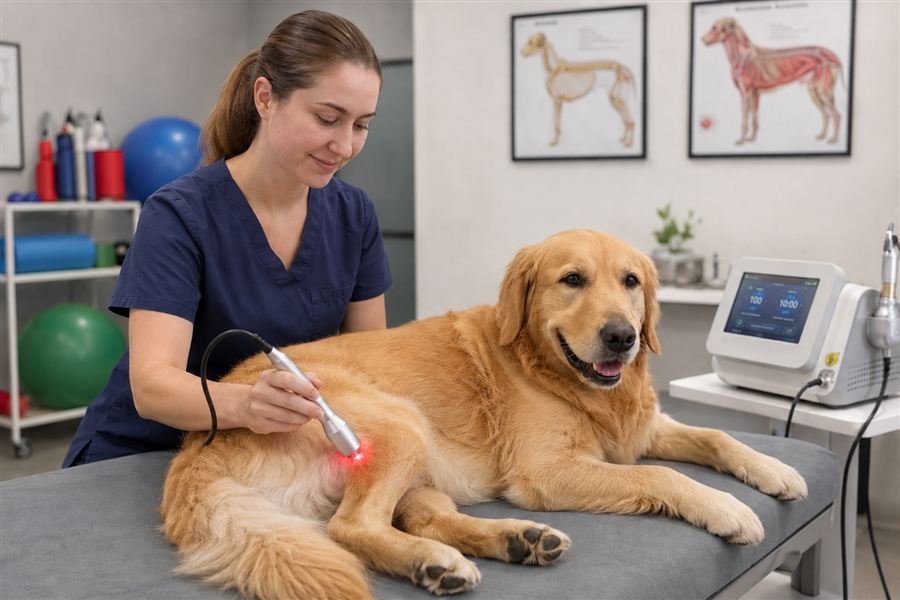
 Laser (Cold)
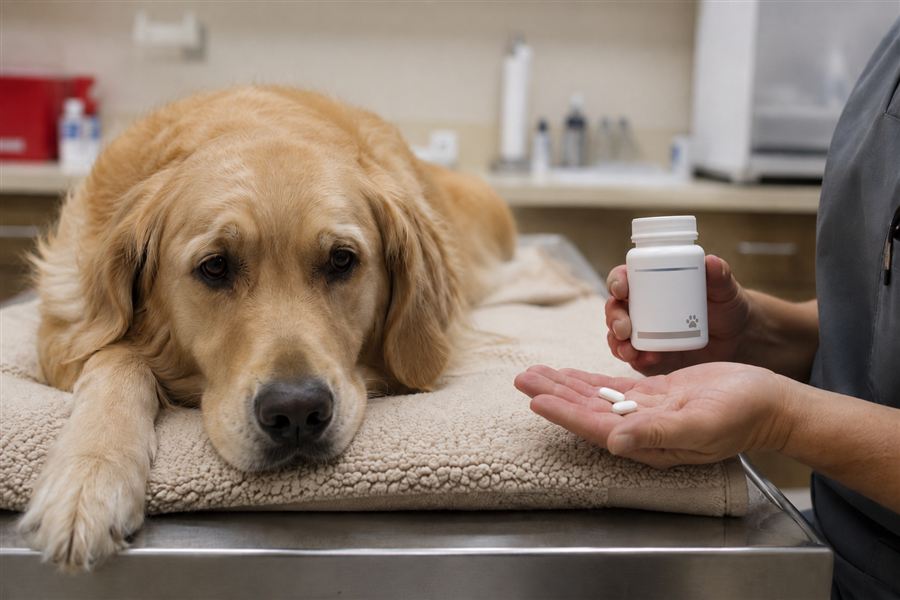
 NSAIDs
Laser therapy is highly effective, but it requires clinic visits, trained operators, and per-session fees that add up quickly.
Red light therapy devices for home use exist, but most are limited to surface-level treatment and can't reach deep into joints, bones, or the spinal column.
NSAIDs provide fast symptom relief, but they don't heal anything (and long-term use carries serious risks to your pet's liver, kidneys, and digestive system).

Doctor of Veterinary Medicine
PrimePet Rehab , Myrtle Beach, South Carolina
After years in general veterinary practice, Dr. Walsh founded PrimePet Rehab – a small animal rehabilitation and physical therapy service, treating animals at multiple local clinics. Today, he uses therapeutic laser in combination with Petspemf Pad therapy, cryotherapy, and canine massage, achieving remarkable results for his patients.

“The Petspemf Pad has become an essential part of our rehab program — we use it alongside therapeutic laser, cryotherapy, and canine massage.”

Doctor of Veterinary Medicine
Dr. Ruth Roberts is an integrative veterinarian helping pet parents support their pets' health naturally, combining conventional medicine with holistic therapies including PEMF.
“PEMF therapy has become one of my go-to recommendations for pets dealing with chronic pain and inflammation.”

Canine Wellness Specialist
Canine Wellness Centre
Tania Costa runs the Canine Wellness Centre, where she integrates Petspemf devices into daily rehabilitation and wellness programs for dogs of all ages.
“We have been using PEMF products and technology for many years with our patients and have seen incredible results.”
Are you a veterinarian?
Learn about partnering with Petspemf
Every Petspemf device comes with programs built on scientifically and clinically verified research. Each program uses specific frequencies and intensities that have been proven effective in peer-reviewed studies. Here's what they do and when to use them.

Position the device over the affected area. This program uses low-frequency electromagnetic pulses to reduce inflammation and swelling at the cellular level, improving circulation and boosting the body's natural anti-inflammatory response.
Frequencies
50.6 Hz and 15.2 Hz
Intensities
2.5 mT and 1 mT
Duration
30 minutes per session
The Result
Improved mobility, reduced stiffness, and increased energy. Use as needed for arthritis, joint pain, muscle soreness, or age-related discomfort.

This program uses low frequencies that activate the vagus nerve, triggering your pet's natural relaxation response and lowering stress hormones.
Frequencies
4 Hz and 6 Hz
Intensities
2.5 mT and 1 mT
Duration
30 minutes per session
The Result
Calm nervous system and reduce anxiety. Use as needed or as part of a daily calming routine.

Designed for post-surgery and injury recovery, this program stimulates cellular regeneration and supports faster tissue repair.
Frequencies
15.2 Hz and 40.5 Hz
Intensities
2.5 mT and 1 mT
Duration
30 minutes per session
The Result
Speed up tissue repair and wound healing. Use daily during recovery period.

A combined program that cycles through complementary frequencies for whole-body wellness and daily maintenance.
Frequencies
50.6 Hz and 15.2 Hz / 15.2 Hz and 40.5 Hz
Intensities
2.5 mT and 1 mT
Duration
30 minutes per session
The Result
Full-spectrum wellness combining multiple therapeutic frequencies. Use 2-3 times per week for ongoing maintenance.
Yes. PEMF therapy is one of the safest treatment modalities available in veterinary medicine today.

Nothing enters your pet's body. There are no needles, no incisions, no drugs. The electromagnetic pulses pass harmlessly through tissue, stimulating cellular activity without damaging or disrupting anything. PEMF is generally well tolerated.

There is no risk of overdosing. There is no dependency or withdrawal. Your pet can receive PEMF therapy every single day for the rest of their life without any cumulative risk.

The U.S. Food and Drug Administration first recognized PEMF for veterinary use in 1979, originally for treating non-union fractures in racehorses. Since then, the FDA has cleared PEMF for several additional indications:
Pets with electronic implants-such as pacemakers-should not use PEMF therapy. Keep the active device at least 12 inches from any electronic implant. If your pet has an implant of any kind, consult your veterinarian before starting PEMF therapy.
For all other pets, PEMF is considered completely safe for daily use. As with any new therapy, we always recommend discussing it with your veterinarian - not because of safety concerns, but because your vet can help you choose the right program and frequency for your pet's specific condition.
We don't ask you to take our word for it. Every claim we make about PEMF therapy is grounded in published, peer-reviewed scientific research. Below is the complete library of studies that inform our device design, program frequencies, and therapeutic protocols. Click any title to access the full paper.
Our research library is organized into four categories matching our device programs. Each study has been selected because it directly informs how our devices work and why they work.
These studies form the scientific foundation for our Stress Relief program and the PetLoop PRO Harmony model.
A randomized placebo study with volunteers. Electromagnetic Biology and Medicine, 44(2), 173–186
 Read This Study
A randomized, controlled double blind study. Research in Veterinary Science, 144, pp.108-114
Read This Study
Acta physiologica Polonica, 12(3), p.71
Read This Study
Life sciences, 80(26), pp.2403-2410
Read This Study
Journal of Personalized Medicine, 10(3), p. E119
Read This Study
Psychological Medicine, pp. 1–11
Read This Study
European Journal of Applied Physiology, 101(4), pp. 495–502
Read This Study
Autonomic Neuroscience, 236, p. 102894
Read This Study
Proceedings of the 14th International Joint Conference on Biomedical Engineering Systems and Technologies. 14th International Conference on Bio-inspired Systems and Signal Processing, SCITEPRESS – Science and Technology Publications, pp. 164–168
Read This Study
In International Conference on Applied Human Factors and Ergonomics (pp. 57-62). Springer, Cham
Read This Study
Bioelectromagnetics, 42(1), pp.60-75
Read This Study
These studies form the scientific foundation for our Pain Relief program.
Pak Vet J, 33 (1), pp.96-100. ISSN: 0253-8318 (PRINT), 2074-7764
Read This Study
A Double-Blind Controlled Assessment. The Lancet, 323(8379), pp.695-698. doi: 10.1016/S0140-6736(84)92219-0
Read This Study
Panminerva Medica, 34(4), pp.187-196.PMID: 1293548
Read This Study
A Prospective Study. Clinical rheumatology, 15(4), pp.325-328. doi: 10.1007/BF02230352
Read This Study
These studies form the scientific foundation for our Stress Relief program.
Radiatsionnaia biologiia, radioecologiia, 40(6), pp.693-695. PMID: 11155339
Read This Study
Biomolecules & Therapeutics, 22(6), p.570. doi:10.4062/biomolther.2014.054
Read This Study
Poultry science, 97(2), pp.634-642. doi: 10.3382/ps/pex304
Read This Study
Frontiers in veterinary science, p.1541. doi: 10.3389/fvets.2021.775092
Read This Study
Brain sciences, 11(2), p.174. doi: 10.3390/brainsci11020174
Read This Study
These studies form the scientific foundation for our Accelerated Healing program.
Brain research, 485(2), pp.309-316. doi: 10.1016/0006-8993(89)90575-1
Read This Study
Journal of Orthopaedic Research,8(2), pp.276-282. doi: 10.1002/jor.1100080217
Read This Study
Spine, 15 (7), pp.708-712. doi: 10.1097/00007632-199007000-00016
Read This Study
Bioelectromagnetics: Journal of the Bioelectromagnetics Society, The Society for Physical Regulation in Biology and Medicine, The European Bioelectromagnetics Association, 15(3), pp.205-216. doi: 10.1002/bem.2250150305
Read This Study
The International journal of adult orthodontics and orthognathic surgery, 12(1), pp.43-53. PMID: 9456617
Read This Study
Orthopedics, 21(3), pp.297-302. doi: 10.3928/0147-7447- 19980301-12
Read This Study
Journal of orthopedic research, 20(5), pp.1106- 1114. doi: 10.1016/S0736-0266(02)00031-1
Read This Study
Journal of orthopedic research, 22(5), pp.1086-1093. doi: 10.1016/j.orthres.2003.12.017
Read This Study
Bioelectromagnetics, 35(6), pp.396-405. doi: 10.1002/bem.21855
Read This Study
Burns: Journal of the International Society for Burn Injuries. doi: 10.1016/j.burns.2021.06.001
Read This Study
Journal of Orthopaedic Research®, 37 (2), pp.449-456. doi: 10.1002/jor.24172
Read This Study
BioMed research international, 2019. doi: 10.1155/2019/6354054
Read This Study
Materials Science and Engineering: C, 124, p.112065. doi: 10.1016/j.msec.2021.112065
Read This Study
Bioelectromagnetics, 20: 372-377. https://doi.org/10.1002/(SICI)1521-186X(199909)20:6<372::AID-BEM6>3.0.CO;2-L
Read This Study
Electromagnetic Biology and Medicine, 39(3), pp.206-217.doi: 10.1080/15368378.2020.1762636
Read This Study
Our Products
Now that you understand how PEMF works and why it's trusted by veterinary professionals worldwide, the next step is finding the right device for your pet's needs. We offer three product tiers-each built on the same clinically-proven PEMF technology.
Natural care for pets' recovery and well-being.
 10%
10%The #1 pet-safe PEMF mat for dogs with multi-program therapy for delivering pain relief, stress reduction, and faster recovery from the comfort of home.
 Pain Relief
 Recovery
Stress Relief
Recovery
Stress Relief
 Mobility
For faster recovery while resting.
 10%
10%Orthopedic comfort meets PEMF therapy for daily therapeutic rest and recovery support.
Comfort
Recovery
Rest
Mobility
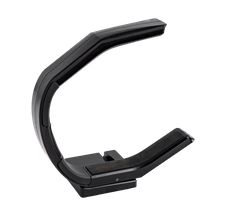
Natural PEMF wearable for anxiety and healing support.
 10%
10%A wearable PEMF loop for dogs and cats designed for targeted relaxation and on-the-go healing support.
Harmony
Recovery
Portable
Targeted
PEMF (Pulsed Electromagnetic Field) therapy is a safe, non-invasive treatment that uses gentle electromagnetic pulses to stimulate cells at the deepest level, supporting the body's natural healing processes.
Yes. PEMF is one of the most studied and generally well-tolerated therapeutic modalities in veterinary medicine, with no known dependency. The FDA recognized PEMF for veterinary use in 1979.
However, Petspemf devices should not be used near people or animals with implants such as pacemakers, non-MRI-safe IUDs, cochlear implants, or mechanical heart valves. Pet owners or animals with such implants should remain at least 30 cm (12 inches) away from the active device.
PEMF (Pulsed Electromagnetic Field) therapy uses low-frequency electromagnetic fields to support cellular activity and the body’s natural recovery processes. Unlike light-based therapies, PEMF does not rely on light and can reach deeper tissues, including muscles, joints, and bones.
Red light and laser therapy use specific wavelengths of light, typically red or near-infrared, to support tissue repair and help with pain and inflammation, primarily at the surface and soft-tissue level.
Because these therapies work through different mechanisms, PEMF and light-based therapies may sometimes be used alongside each other as part of a broader wellness or recovery plan. Always consult your veterinarian before combining therapies to ensure they are appropriate for your pet’s specific needs.
PEMF therapy is commonly used for arthritis and joint pain, IVDD and spinal issues, post-surgery recovery, senior pet wellness, anxiety and stress, and general mobility support.
Most pets benefit from daily sessions. Each program has a recommended duration, typically around 30 minutes per session.
For more detailed guidance, please refer to our Treatment Guide on the Support page and consult your veterinarian to determine the most suitable schedule for your pet’s specific needs and condition.
PEMF does not replace veterinary care or prescribed medication—it is intended to complement your pet’s existing care plan. Never change or discontinue your pet’s medication without consulting your veterinarian. If your pet’s condition improves, your veterinarian can determine whether any adjustments to their medication are appropriate.
Every pet is different. Some pet parents notice changes in comfort, mobility, or relaxation within the first few days, while others may need several weeks of consistent use, especially with chronic or long-term conditions. Because PEMF supports the body’s natural recovery processes, improvements may be gradual rather than immediate.
Results can vary depending on factors such as your pet’s age and overall condition, the severity and duration of the issue, activity level and lifestyle, nutrition and hydration, stress levels, and consistency of use. For the best results, follow the recommended usage guidelines for your pet’s needs.
Yes. Our devices use clinically and scientifically validated frequencies based on over 30 peer-reviewed studies. You can see the complete list on this page.


