10,000+
Pets Helped
For veterinarians, rehabilitation teams, and clinic partners
Petspemf devices give veterinary teams a practical, non-invasive way to support comfort, mobility, recovery, and relaxation in dogs and cats - in clinic, during rehabilitation, and as a veterinarian-guided home routine.
 Designed for dogs & cats
Clinic + home-use ecosystem
Protocol resources available
Supports multimodal care
Professional partner program
Extend care beyond the clinic
Our PEMF devices help veterinary teams give clients a simple, repeatable home-support routine that can complement professional care, encourage consistency, and keep comfort and recovery top of mind between visits.
For pet parents, the routine is easy: place the device where the pet rests, choose the veterinarian-recommended program, and let the session run while the pet relaxes. For clinics, it creates a practical bridge between clinical expertise and daily home compliance.

10,000+
Pets Helped
Trusted by veterinarians, rehabilitation clinics, and pet parents across the US.
50+
Vet Partners
FDA
Recognized Technology
674
5-Star Reviews
Adjunctive physical modality
Petspemf is supportive therapy — not as a replacement for examination, diagnostics, analgesia, rehabilitation, surgery, or follow-up care. When a patient is an appropriate candidate, PEMF can help create a daily comfort and recovery routine that fits naturally alongside the care plan you already prescribe.
Support ongoing comfort, stiffness management, and daily quality-of-life routines.
Support rest, comfort, and recovery habits after the attending veterinarian or surgeon confirms appropriate timing.
Add a gentle daily routine that supports comfortable rest and movement.
Create a calming, predictable routine around rest, travel, storms, grooming, or clinic visits when appropriate.
Give owners a tool that is easy to repeat at home without needles, pills, or complex handling.
Common professional applications
Supports daily joint comfort, mobility routines, and quality-of-life plans for pets with chronic stiffness or age-related discomfort.
Pair with weight management, an exercise plan, analgesia, and rechecks when indicated.
May support comfort, rest, circulation, and tissue-recovery routines after procedures such as TPLO, dental surgery, orthopedic repair, or soft-tissue surgery.
Use only when the surgeon/attending veterinarian confirms timing and placement are appropriate.
Can be used as an at-home support routine between rehab sessions for selected sprains, strains, soreness, and recovery plans.
Do not use to delay diagnosis of lameness, swelling, fever, wounds, or acute pain.
May be considered as complementary support in clinician-guided neurologic or spinal-care plans.
Use caution in acute IVDD flare-ups and follow veterinary direction closely.
Helps create a comfortable daily rest routine for older dogs and cats who need consistent support.
Set realistic expectations: more good days, not guaranteed reversal of disease.
Supports relaxation routines for pets affected by travel, storms, vet-visit nerves, grooming, or general restlessness.
Behavior cases still require medical and behavioral assessment when signs are severe or persistent.
One ecosystem, multiple use cases
Every clinic has different patients, workflows, and client-compliance challenges. The Petspemf ecosystem gives professionals multiple ways to introduce PEMF support - from full-body mats to therapeutic beds and wearable loops.
Full-body PEMF therapy mat for home or clinic demonstration.
Flat mat format with guided programs and whole-body coverage.
Daily home routines, rehab table use, crate/bed routines, whole-body support for dogs and cats.
 Pain Relief
 Recovery
Stress Relief
Recovery
Stress Relief
 Mobility
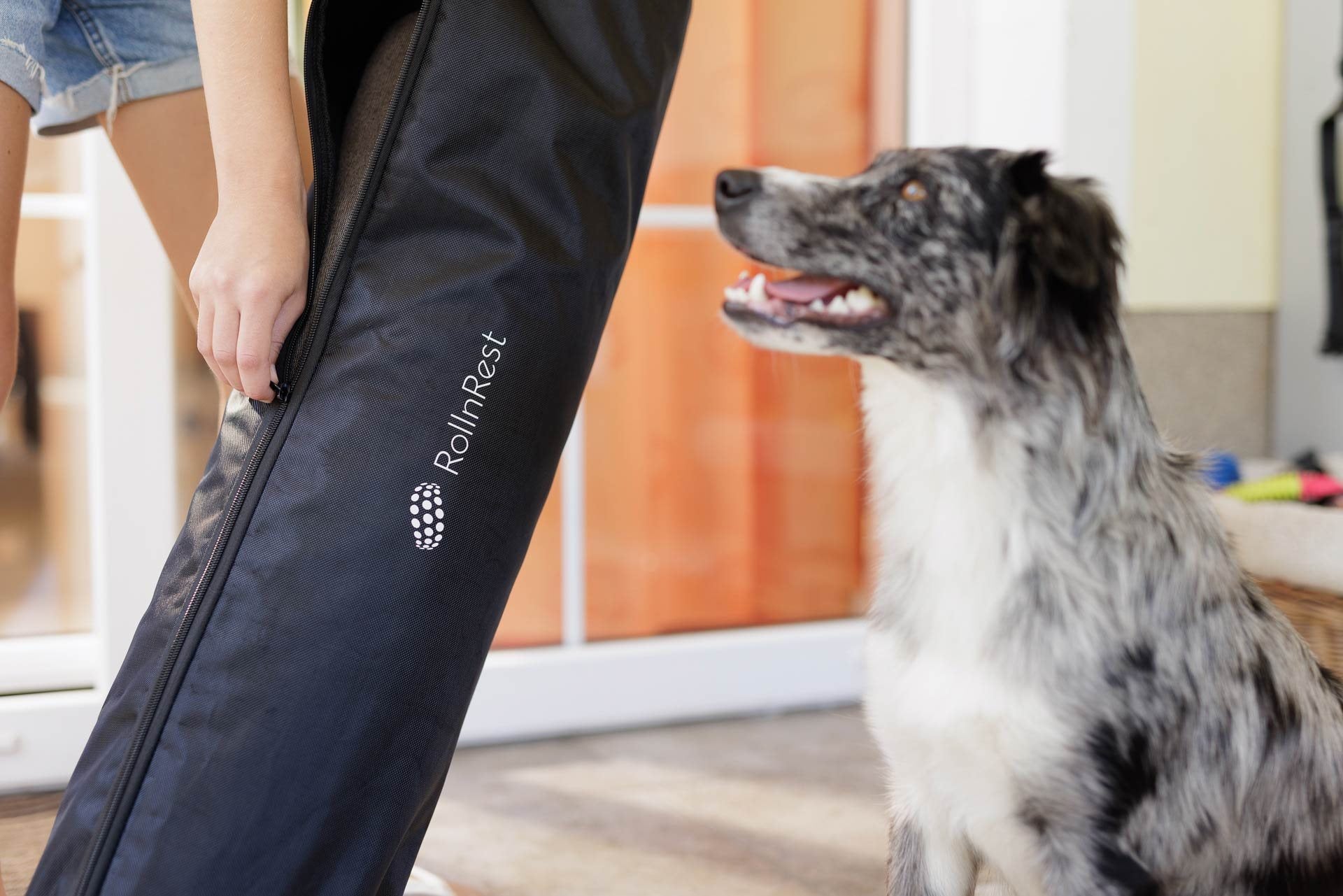
Orthopedic dog bed with built-in PEMF therapy.

Memory-foam bed format that delivers therapy while the pet rests.
Patients who rest frequently, senior dogs, orthopedic comfort, high-compliance therapy because the pet uses it like a bed.
Comfort
Recovery
Rest
Mobility
Wearable targeted PEMF support.
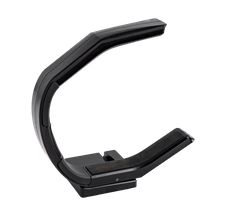
Adjustable wearable loop for targeted, localized application.
Localized support for selected joints, back, hip, leg, or recovery areas while resting or supervised.
Recovery
Targeted
Portable
Joints
Wearable PEMF support for calming and relaxation routines.
Lightweight wearable loop tuned for calming routines.
Stress-sensitive pets, vet-visit nerves, travel, storms, grooming, restlessness.
Harmony
Calming
Portable
Rest
A quick web summary of the professional treatment guide. Always defer to the complete guide, the device manual, and your own clinical judgment.
Download Application Guide
Suggested Use Cases
Osteoarthritis, joint disease, stiffness, soreness, age-related discomfort.
Frequencies
50.6 Hz and 15.2 Hz
Intensities
2.5 mT and 1 mT
Placement
Over affected site
Duration
Basic: 30 minutes. Extended options in the guide: 1 h, 4 h, or 8 h as needed.
Suggested Use Cases
Relaxation, emotional stress, predictable stress events, rest routines.
Frequencies
4 Hz main and 6 Hz lower intensity
Intensities
2.5 mT and 1 mT
Placement
Plexus, whole body, or head
Duration
Basic: 20-minute sessions, 1–3× daily; typical course 1–2 weeks.
Suggested Use Cases
Wound/tissue support, post-procedure recovery after clearance, soft tissue injury.
Frequencies
15.2 Hz main and 40.5 Hz lower intensity
Intensities
2.5 mT and 1 mT
Placement
Over affected site
Duration
Basic: 20 or 40 minutes. Extended options in the guide: 1 h, 4 h, or 8 h as needed.
Suggested Use Cases
Chronic support, general wellness, combined pain/recovery support when appropriate.
Frequencies
Combination program — full parameters in the Application Guide
Placement
Affected area or whole-body support, per the Application Guide
Research-aware PEMF
Not all PEMF devices are the same. The results depend on the settings: how strong the field is, which frequency it uses, and how long and how often it runs.
So instead of big claims, we show our numbers. Every program lists its settings, what it is for, and the research behind it — here and in the Application Guide.
In short: the exact settings and the studies are below — judge for yourself.
PEMF has been reviewed as a non-invasive modality with potential applications in bone healing, wound healing, osteoarthritis, inflammation, post-operative pain, and edema.
Pinna et al. studied dogs with OA and compared PEMF with firocoxib; both groups improved during therapy, and the PEMF group showed effects sustained to follow-up.
Zidan et al. reported PEMF reduced incision-associated pain in dogs after IVDE surgery and may have neuroprotective signals, but the primary gait outcome did not differ and larger trials were warranted.
Alvarez et al. reported improved wound scores at 6 weeks and fewer owner-administered pain medications in dogs receiving targeted PEMF after hemilaminectomy.

Safety-first use
Petspemf devices are designed for non-invasive PEMF therapy and may be incorporated into veterinary care when clinically appropriate. As with any therapeutic modality, treatment should be guided by the individual patient’s condition, clinical needs, and veterinary judgment. Careful consideration of contraindications, precautions, and appropriate treatment parameters is recommended before and throughout PEMF application.
Read Full Safety InformationSituations Requiring Caution or Veterinary Clearance:
Professional perspectives

Doctor of Veterinary Medicine
PrimePet Rehab , Myrtle Beach, South Carolina
After years in general veterinary practice, Dr. Walsh founded PrimePet Rehab – a small animal rehabilitation and physical therapy service, treating animals at multiple local clinics. Today, he uses therapeutic laser in combination with Petspemf Pad therapy, cryotherapy, and canine massage, achieving remarkable results for his patients.

“The Petspemf Pad has become an essential part of our rehab program — we use it alongside therapeutic laser, cryotherapy, and canine massage.”

Doctor of Veterinary Medicine
Dr. Ruth Roberts is an integrative veterinarian helping pet parents support their pets' health naturally, combining conventional medicine with holistic therapies including PEMF.
“PEMF therapy has become one of my go-to recommendations for pets dealing with chronic pain and inflammation.”

Canine Wellness Specialist
Canine Wellness Centre
Tania Costa runs the Canine Wellness Centre, where she integrates Petspemf devices into daily rehabilitation and wellness programs for dogs of all ages.
“We have been using PEMF products and technology for many years with our patients and have seen incredible results.”
Are you a veterinarian?
Learn about partnering with Petspemf
Partner with Petspemf
Petspemf partners with veterinarians, rehabilitation clinics, physiotherapists, and integrative-care professionals who want to make PEMF support more accessible to pets and easier for clients to use consistently.
Partnership options:
Clinic demonstration units: Use Petspemf devices during consultations, rehabilitation sessions, or discharge education.
Professional pricing and wholesale: Offer Petspemf devices directly through your clinic or recommend the right device for each patient.
Referral or affiliate program: Give clients a trackable clinic link and support your practice when clients purchase online.
Client education materials: Handouts, protocol quick-starts, safety sheets, and follow-up instructions your team can give at discharge.
Staff onboarding and product walkthroughs: Give your team a clear explanation of device selection, placement, contraindications, and home-use guidance.
Case-study and research collaboration: Share appropriate outcome stories, clinic workflows, or patient-use data with consent and ethical oversight.
Professional resources
Access professional materials designed to support veterinary teams with scientific background, application guidance, safety information, and partnership resources for integrating Petspemf into their practice.
START YOUR PETSPEMF VETERINARY JOURNEY
Complete the form below to access Petspemf resources, application guidance, and partnership information.
No. PEMF therapy is intended to complement, not replace, professional veterinary care. It should not be used as a substitute for veterinary examination, diagnosis, prescribed medication, surgery, rehabilitation, emergency care, or follow-up. PEMF is best used as part of a comprehensive care plan, in consultation with the veterinarian.
Candidate selection depends on diagnosis, treatment goals, contraindications, temperament, and owner compliance.
Common professional use cases include chronic mobility support, senior-pet comfort routines, selected post-operative recovery plans after clearance, soft-tissue rehabilitation support, and relaxation routines.
Yes. PEMF therapy is non-invasive and may be used alongside other therapies, including NSAIDs, laser therapy, acupuncture, rehabilitation, and other supportive care, when the attending veterinarian determines it is appropriate. PEMF should be incorporated into the overall care plan and monitored based on the patient’s response and individual needs.
Frequency depends on the device, program, condition, and clinician direction.
The professional guide gives starting-point program information, including 20-30 minute basic sessions for common programs.
Clinics should give clients written instructions for program, placement, session length, and recheck timing.
Yes. Contraindications and cautions include pacemakers or implanted electronic devices, pregnancy-related exposure concerns, seizure disorders, active bleeding or bleeding disorders, certain implants (see the safety sheet), active fungal skin lesions, damaged devices, and acute or undiagnosed conditions requiring veterinary assessment.
Yes, when the patient is an appropriate candidate and the client receives clear instructions. Home use should include correct placement, supervision when needed, session guidance, contraindications, and instructions to stop use and contact the clinic if unexpected reactions occur.
PEMF is generally well tolerated when used as directed. Some pets may respond differently. If an unexpected reaction occurs, stop use and consult the attending veterinarian.
The Petspemf Pad is generally the best option for a full-body home routine. RollnRest is designed for therapeutic rest in a bed format and may be a good choice when high compliance with regular sessions is a priority. PetLoop PRO Recovery and PetLoop PRO Harmony are both targeted, wearable options, with Recovery designed to support recovery routines and Harmony focused on calming and relaxation. The final recommendation should take into account the patient’s needs, size, temperament, and owner compliance.
Evidence for PEMF therapy in veterinary medicine is still developing, with research varying by device, PEMF signal, treatment protocol, and condition being studied. Published veterinary studies have reported potential benefits in areas such as canine osteoarthritis and post-operative recovery following intervertebral disc surgery (IVDE/hemilaminectomy). However, results are not consistent across all studies, and further high-quality, independent research is needed to better establish the effectiveness of specific PEMF protocols and applications.
Use the partner form to request professional pricing, referral options, clinic demo information, client handouts, research resources, or a product walkthrough for your team.
Continue recovery after the visit
Petspemf helps veterinary teams make PEMF support practical: clear devices, clear programs, clear safety guidance, and a home routine that fits how pets naturally rest.